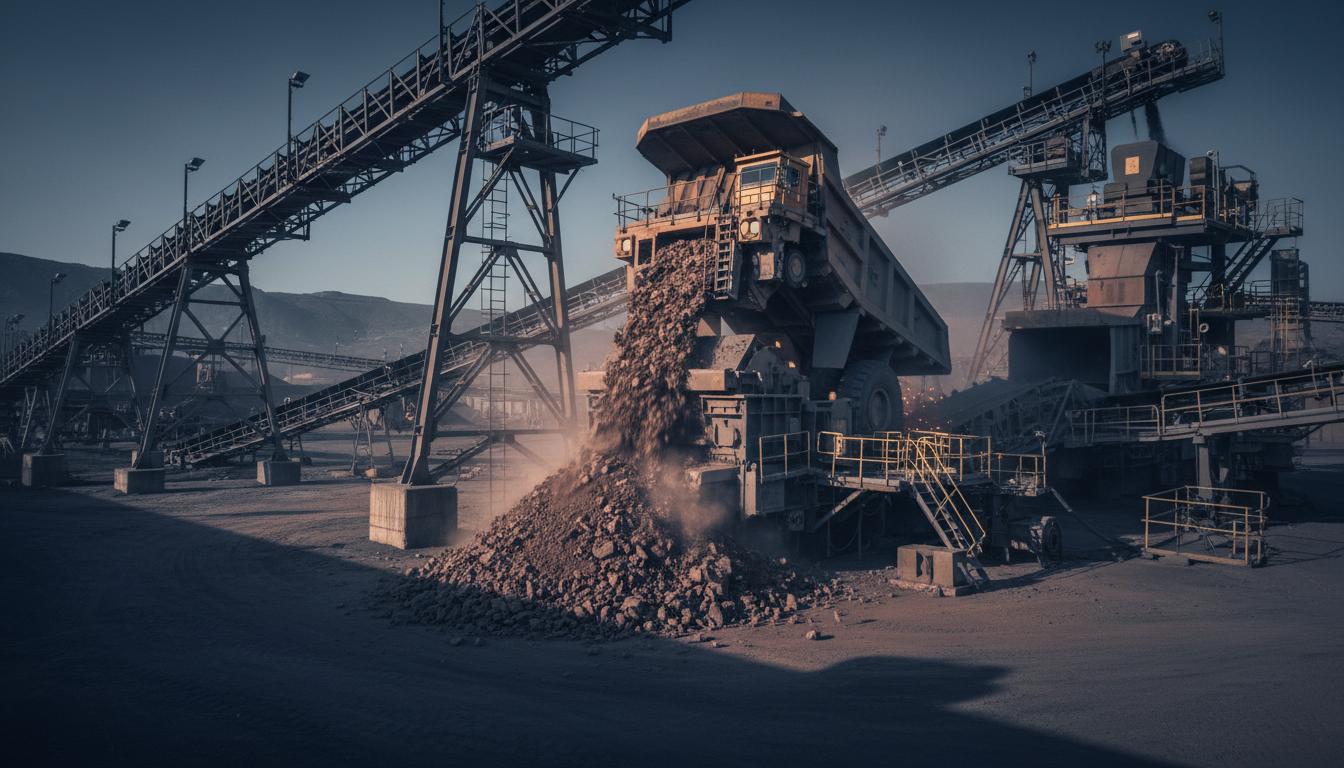
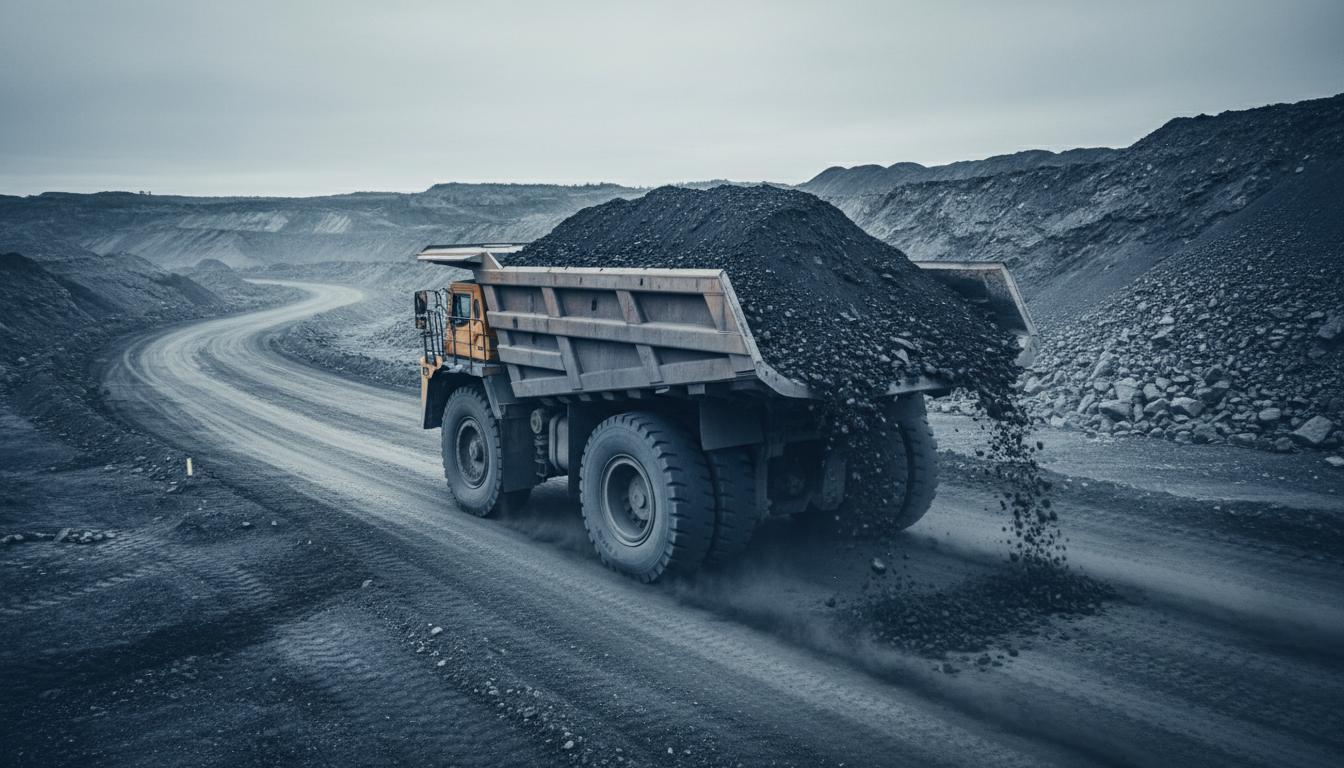
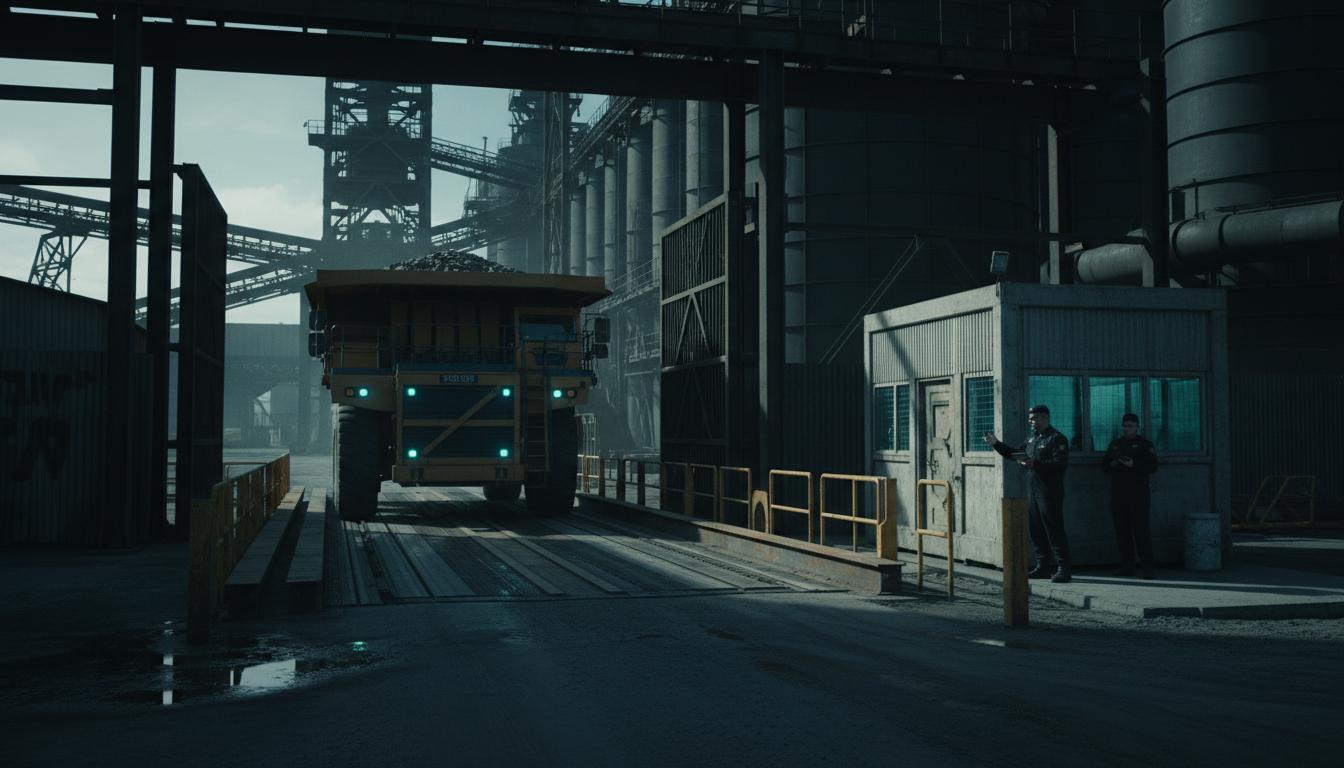
An overhead LiDAR gantry at the mine gate. Trucks drive through at haul-road speed. Volume, tonnage and truck ID land in your system before the truck reaches the weighbridge queue — which you probably don't need anymore.
The weighbridge is a single number arriving at a single point. It tells you what the truck weighed at the bridge — not what left the loader, not what stayed stuck in the bed, not whether the load was centred. The difference shows up in trucking factor, in tyre wear, and in quarterly reconciliation meetings nobody enjoys.
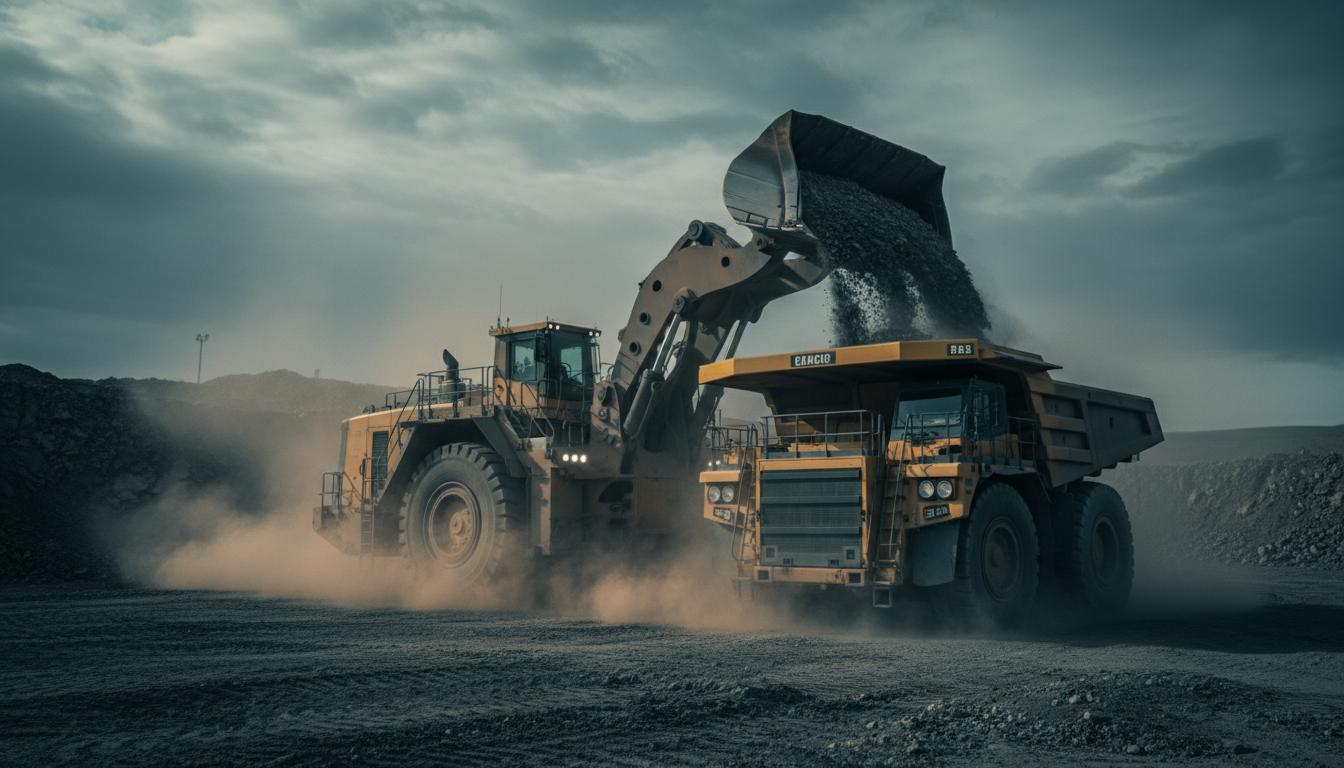
Operators fill by eye. Revenue leaks both ways — under on capacity, over on tyre wear and fuel.
Every cycle drifts. Tonnage accuracy erodes quietly until someone runs the numbers at quarter close.
Bias in load distribution costs maintenance budgets and hauls material onto haul roads. Invisible to a bridge.
Losses between loading and weighbridge are attributed to "shrinkage" because nothing else can describe them.
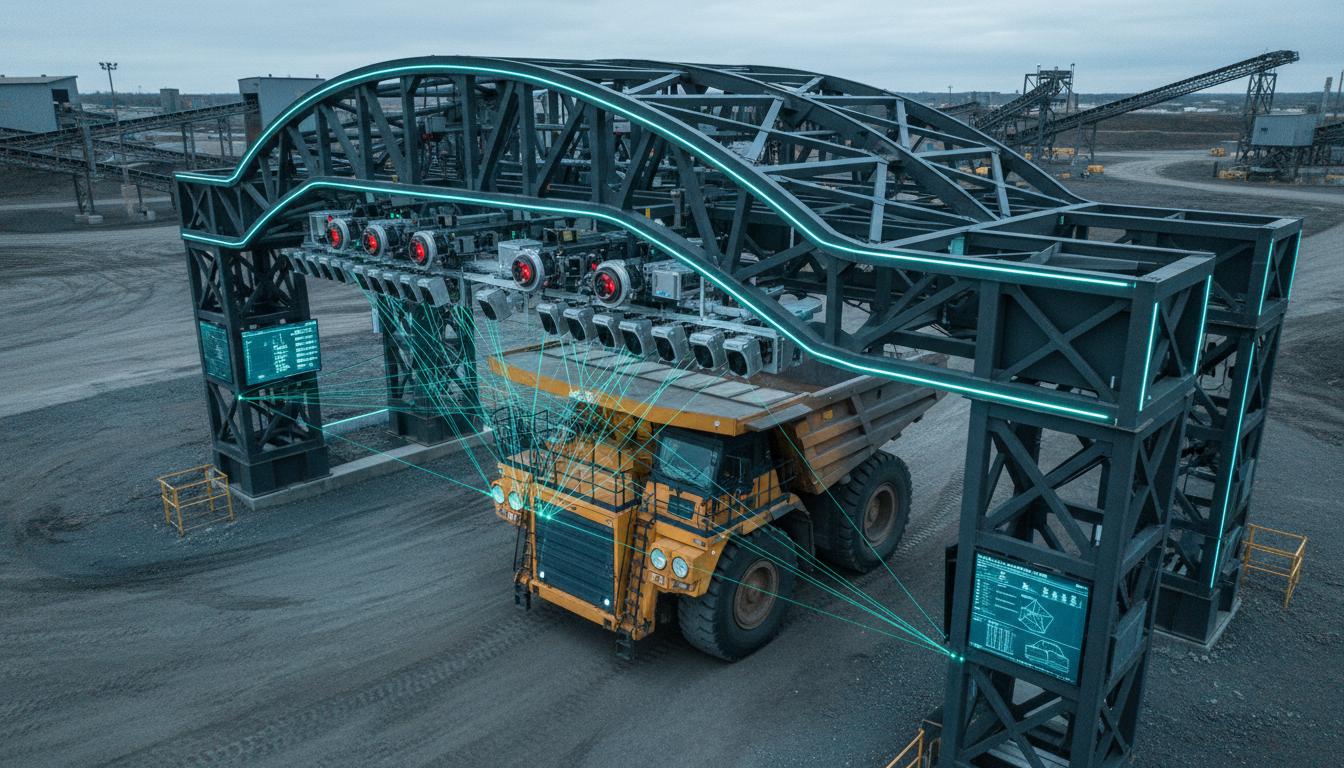
A continuous measurement pipeline built into the haul road — not another system your team has to log into.
LiDAR builds a volumetric point cloud of the loaded bed. Stereo cameras capture imagery. ANPR reads the number plate; RFID takes over in dusty conditions.
Point cloud becomes volume. Material density converts to tonnage. Empty-bed profile compared against loaded to isolate carryback. Results are in your ERP within seconds.
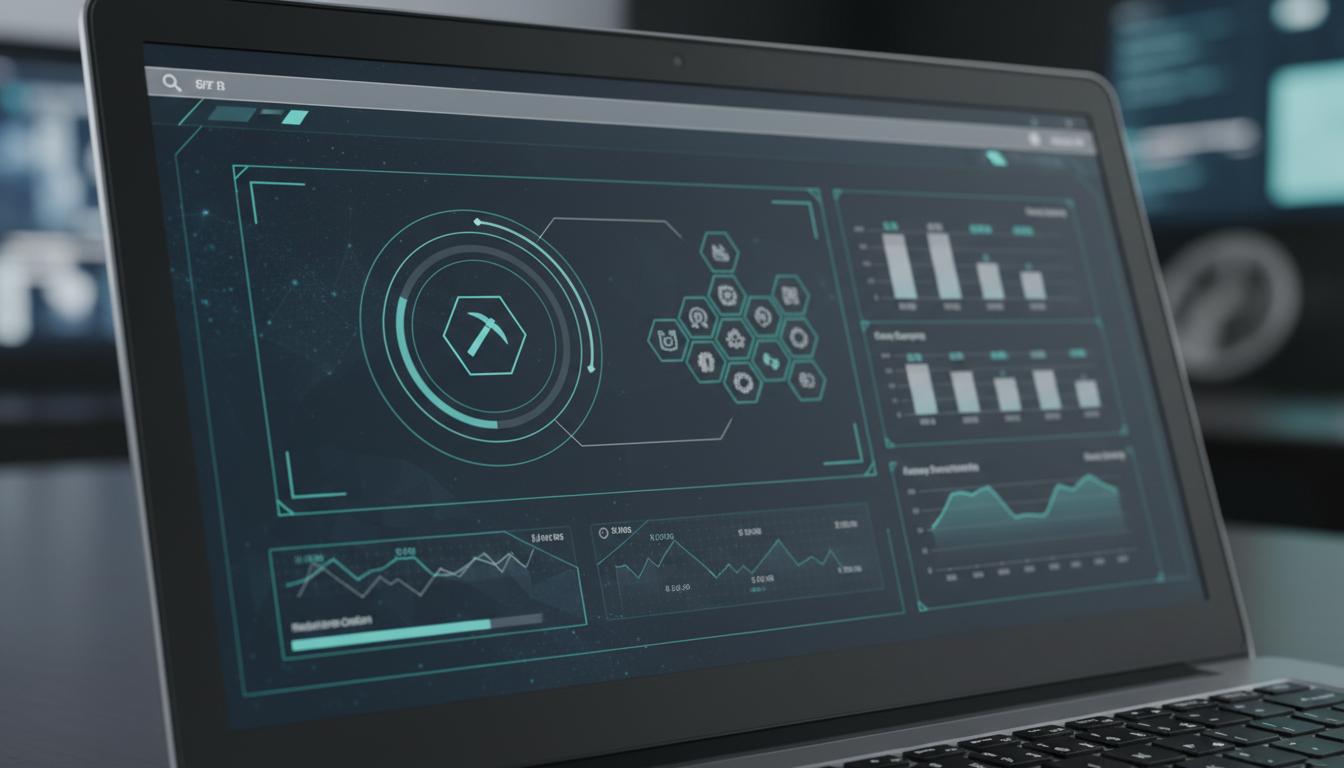
Dashboards per route, loader, operator and shift. Alerts when loads drift outside tolerance. Timestamped photo audit trail for every trip — exportable.
Built on mechanical LiDAR — chosen over solid-state for its wider field of view and more robust refresh rate at mine-haul speeds.
| Capability | Weighbridge | Imported scanner | MineVision |
|---|---|---|---|
| Measurement type | Static weight | Volumetric LiDAR | LiDAR + stereo imaging |
| Throughput impact | Stops required | Drive-through | Drive-through, 10–15 km/h |
| Carryback detection | No | Partial | Yes — empty vs loaded profile |
| Indian procurement fit | Low | Forex · long lead times | Make in India · tender-ready |
| Support timezone | Local vendor | Eight time zones away | Hyderabad + Jharkhand |
A first-pass estimate of annual recovery with continuous payload measurement. Pilot data sharpens these numbers significantly.
Indigenous product, in-country support, and the compliance trail your procurement and compliance teams need — packaged at engagement, not requested afterwards.
Indigenous hardware, firmware, AI models and integration layer. Full origin documentation available on engagement.
Technical specifications, compliance statements, reference deployment summaries and commercial terms in the formats Indian mining tenders expect.
Standard on-site warranty, SLA-backed uptime commitments, and scheduled maintenance contracts available as part of the deployment package.
Operational pilot site in Jharkhand available for site visits, including sensor demonstrations and parallel-weighbridge accuracy review.
A phased rollout that protects uptime and proves value before scale.
Site visit covering dust levels, truck mix, entry/exit geometry, power and network. You receive a formal technical report of the kind state mining authorities routinely request.
Gantry fabrication and installation (2–3 days on site). Power, network, calibration. Parallel operation with existing weighbridge for accuracy verification.
One quarter of live operations. Daily shift reports, weekly accuracy reconciliation, monthly ROI tracking against baseline. All data owned by you.
Full integration with your mine ERP. Operator training, go-live support. Additional modules (conveyor, mapping) added based on pilot outcomes.
See the difference in your trucking factors, with data you can audit.