Weighbridges are slow. Surveys take weeks. Grade gets decided downstream, long after it could have been acted on. MineVision OS replaces all three with continuous LiDAR measurement — at the gate, on the belt, across the pit.
Underloaded trucks. Carryback residue. Misclassified ore grades. Volumetric estimates for stockpiles and pits that arrive weeks after they're useful. The equipment most mines rely on today was designed when these measurements were genuinely hard. They aren't anymore.
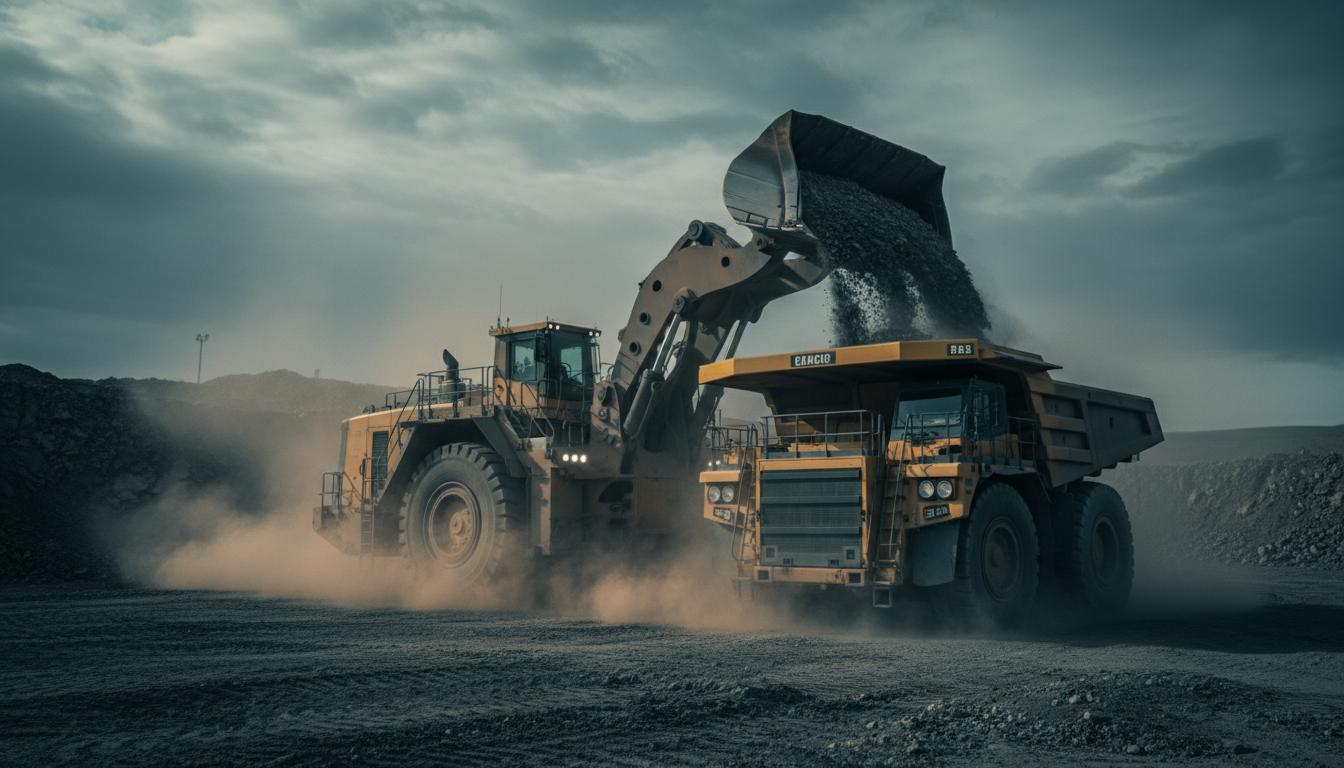
Operators under- or over-fill because nothing tells them otherwise. Trucking factor drifts. You find out at month-end reconciliation.
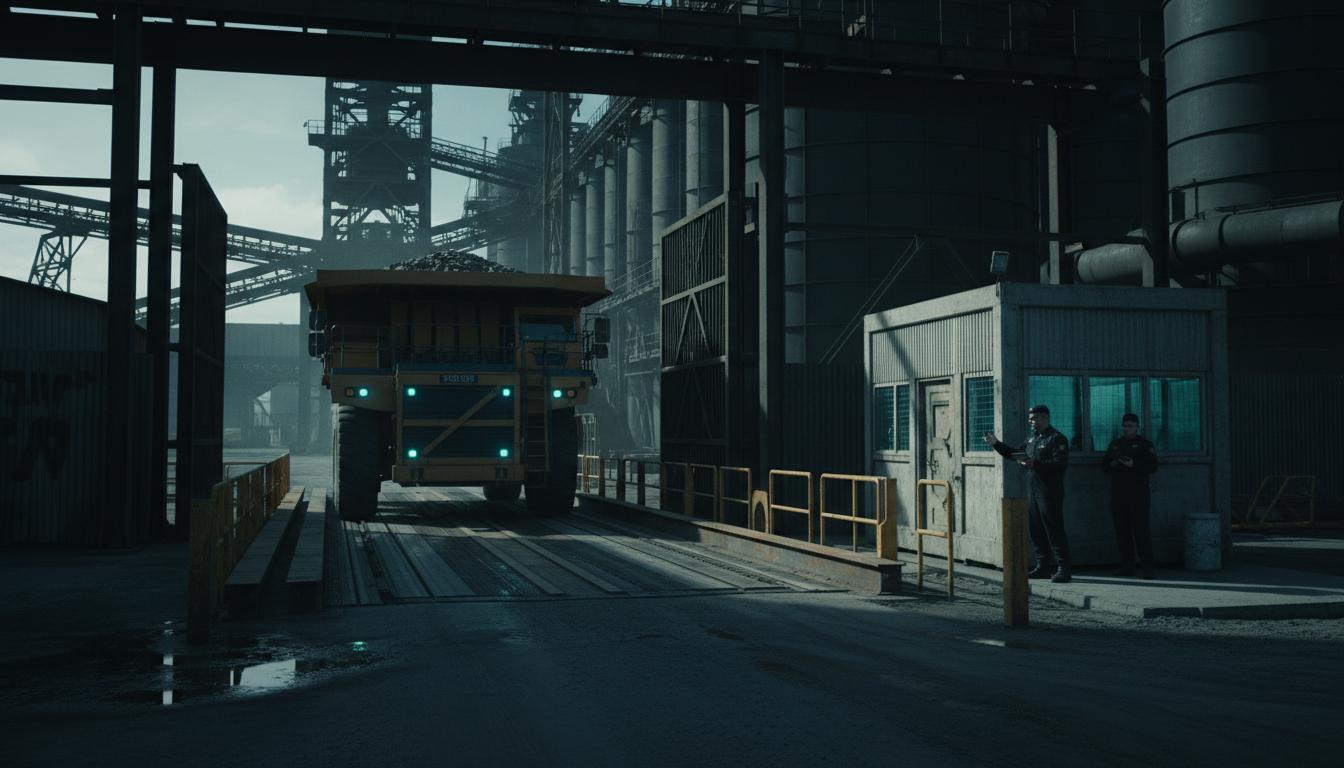
Every truck stops. Every operator waits. The bridge gives you total weight — nothing about carryback, distribution, or whether the load changed en route.
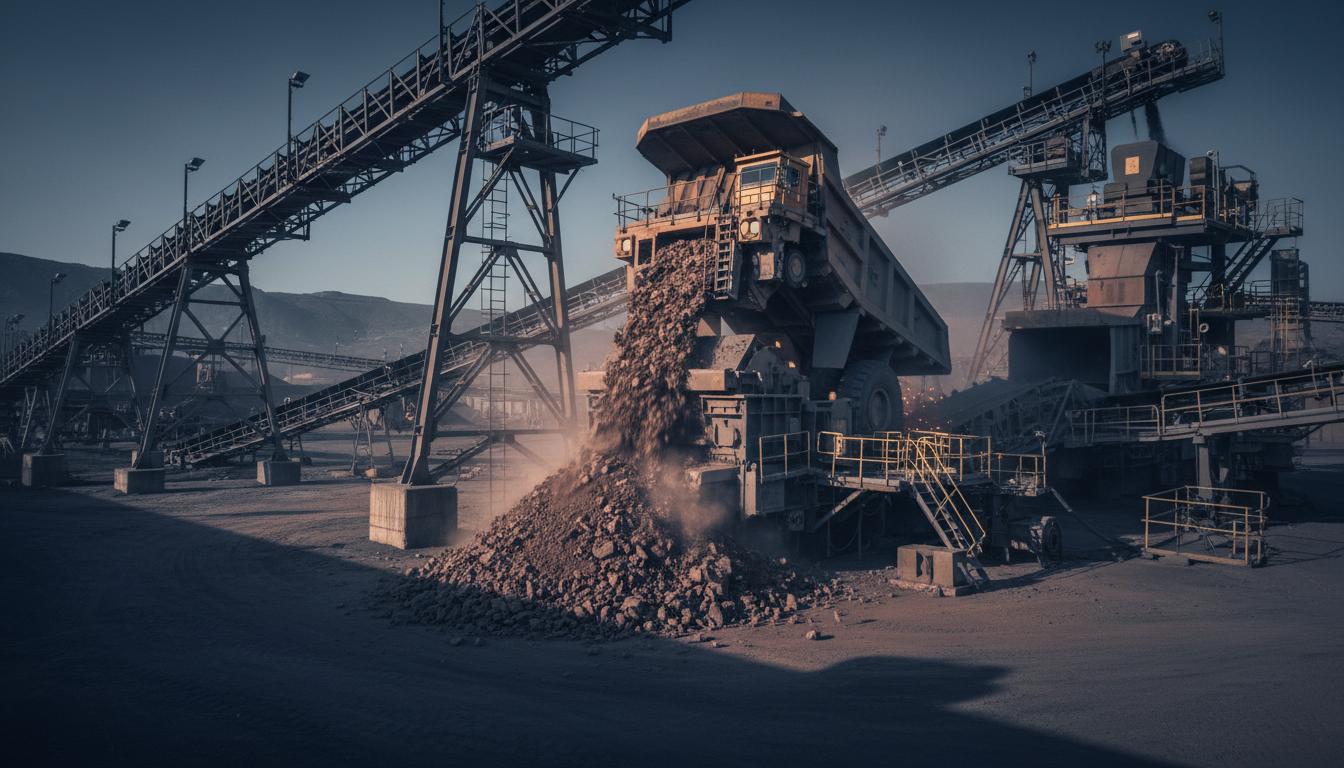
By the time you know what grade a consignment was, it's priced, blended or shipped. The decision to bifurcate — if it was made at all — was made by eye.
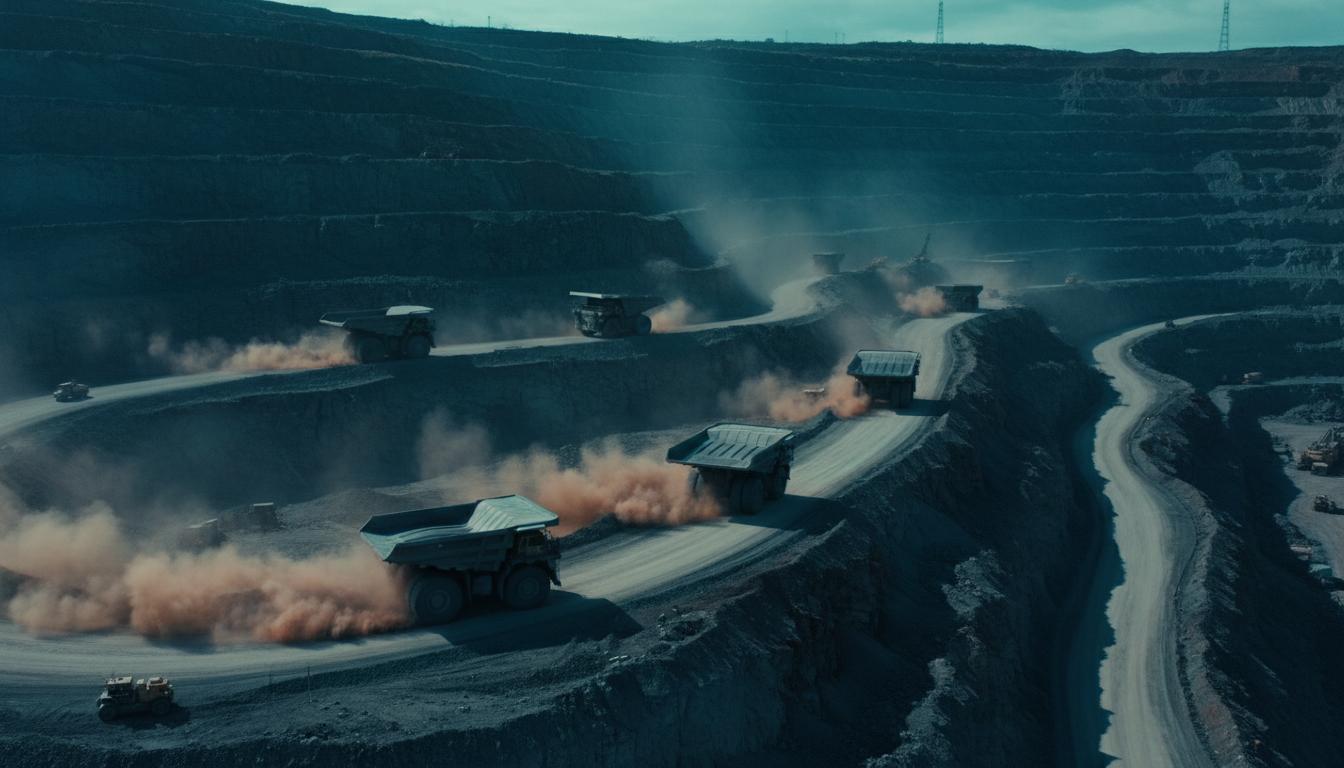
That's what external surveyors charge for a 200-acre lease. The flight takes hours. The rest is consulting margin and specialist scarcity.
MineVision OS is LiDAR-first. Every module shares the same hardware, data layer and integration surface. Deploy one module today and add the others when the first has earned the right.
Overhead gantry at the mine gate. Trucks drive through at 10–15 km/h. Volume, tonnage, carryback and truck ID captured in under 3 seconds — no stops, no manual logs.
See module →Sensor array above the post-crusher belt. Ore grade classified segment by segment, before material leaves your site. Silica, iron and moisture signatures separated automatically.
See module →Drone LiDAR for lease surveys, stockpile volumetrics and mining-plan compliance. 200 acres delivered in days — with the documentation filings actually need.
See module →Vehicle-mounted LiDAR for in-pit volumetric analysis. Measure what's been extracted, what's left, and what's in stockpile — against your original baseline.
See module →Continuous measurement converts operational losses — underload, overload, carryback, pilferage, off-centre loading — into numbers you can actually work on. Most pilots we've scoped see meaningful recovery inside the first quarter.
Stop discovering problems in month-end reconciliation. See the drift as it happens — by route, by loader, by operator.
No stopping at the gate. No queue at the bridge. Scanning happens at haul-road speed without operator intervention.
Typical pilot payback ranges 8–18 months depending on losses, material value and throughput. Try the ROI calculator for a site-specific figure.
Every part of MineVision OS is Indian-developed hardware, firmware and software. Make in India preference applies. Support is in-country. The documentation procurement teams ask for is part of how we engage — not a follow-up.
Indigenous hardware, firmware, AI models and integration layer. Full origin documentation available for procurement review.
Technical specifications, compliance statements and deployment reports formatted for Indian mining procurement and tender workflows.
A running deployment in Jharkhand available for site visits. See the system working under real conditions before committing.
Hardware, engineering and field support based in India. Pilot management based in the Indian mining ecosystem itself.
Tell us about your site. We'll outline a pilot scope and a realistic timeline within two business days.