Most mines grade their ore downstream — after shipment, after sampling, after lab results. By then, it's been priced and blended. Conveyor Intelligence moves grade classification to where the material is: on the belt, in real time, segment by segment.
Once a consignment leaves your dispatch, grade is fixed by sampling — usually at the buyer's end. Any bifurcation that could have happened at the crusher didn't. The premium grade went out at the blended price, and you find out when the invoice comes back.
Silica and iron patches are visible to the eye post-crushing — but only when someone is watching, consistently, across every shift. Bifurcation at the crusher determines realised alumina content per consignment.
Visually similar output can hide meaningful calorific differences. Density-based grade routing is the lever. Missed routing means lower realisation per tonne shipped.
Moisture content affects both weight calculations and downstream pricing. Shiny versus dull surfaces, patch patterns and wetness indicators all carry signal — if you can read them consistently.
Every material has a distinct energy absorption and reflection signature. What the eye reads as "shine" or "dullness", a LiDAR reads as a quantifiable reflectivity value — consistent across shifts, lighting and operators.
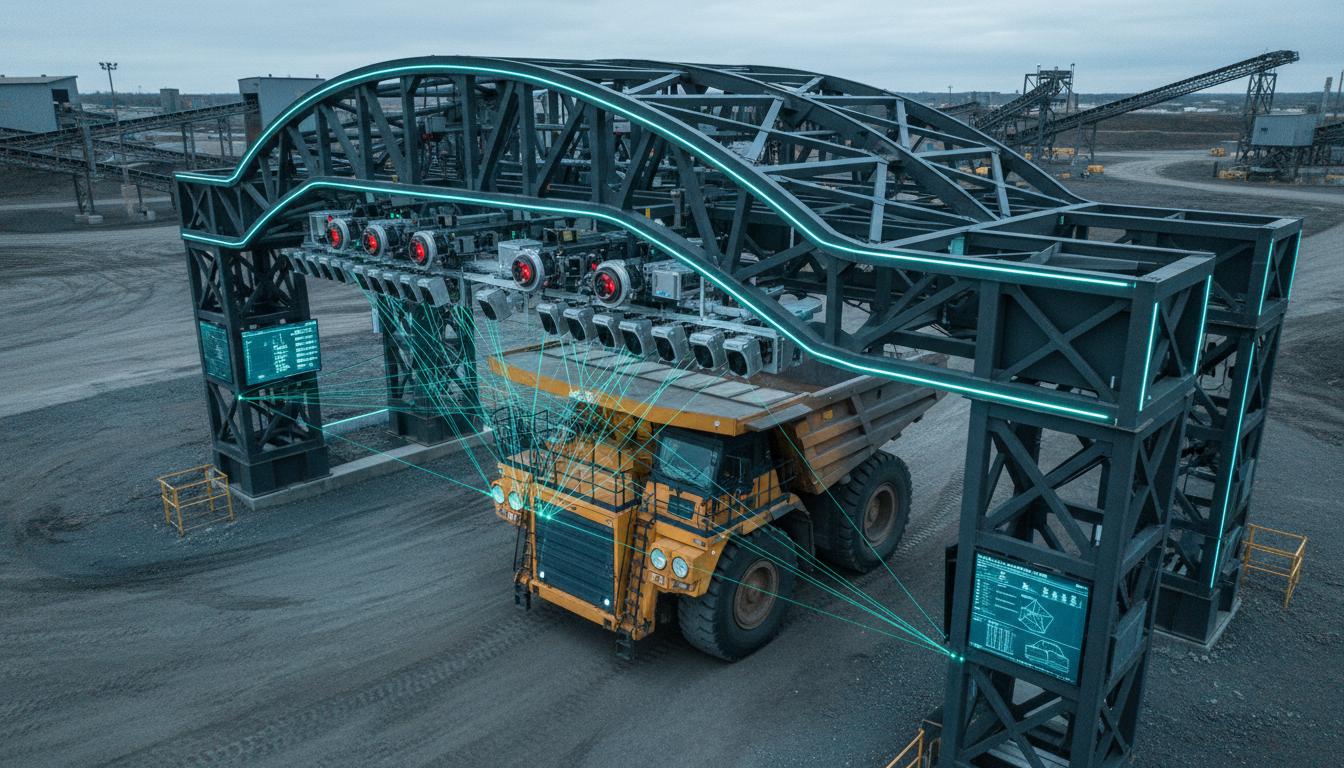
LiDAR plus stereo camera, mounted above the post-crusher conveyor. No contact with material. No water spray. No added lighting. No belt modification.
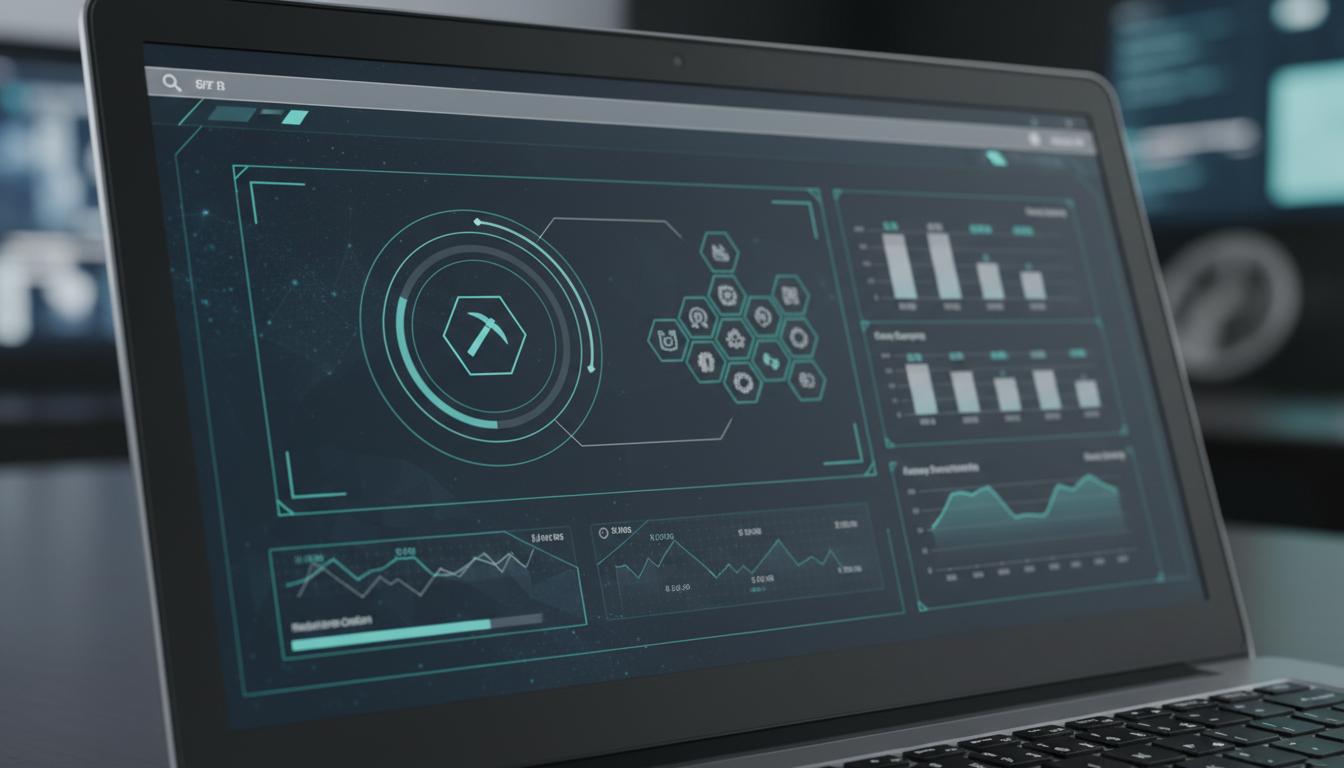
Reflectivity data fused with visual features — surface texture, colour, patch density — feeds a classifier trained on your site's material. Each segment of the belt gets a grade label and confidence score.
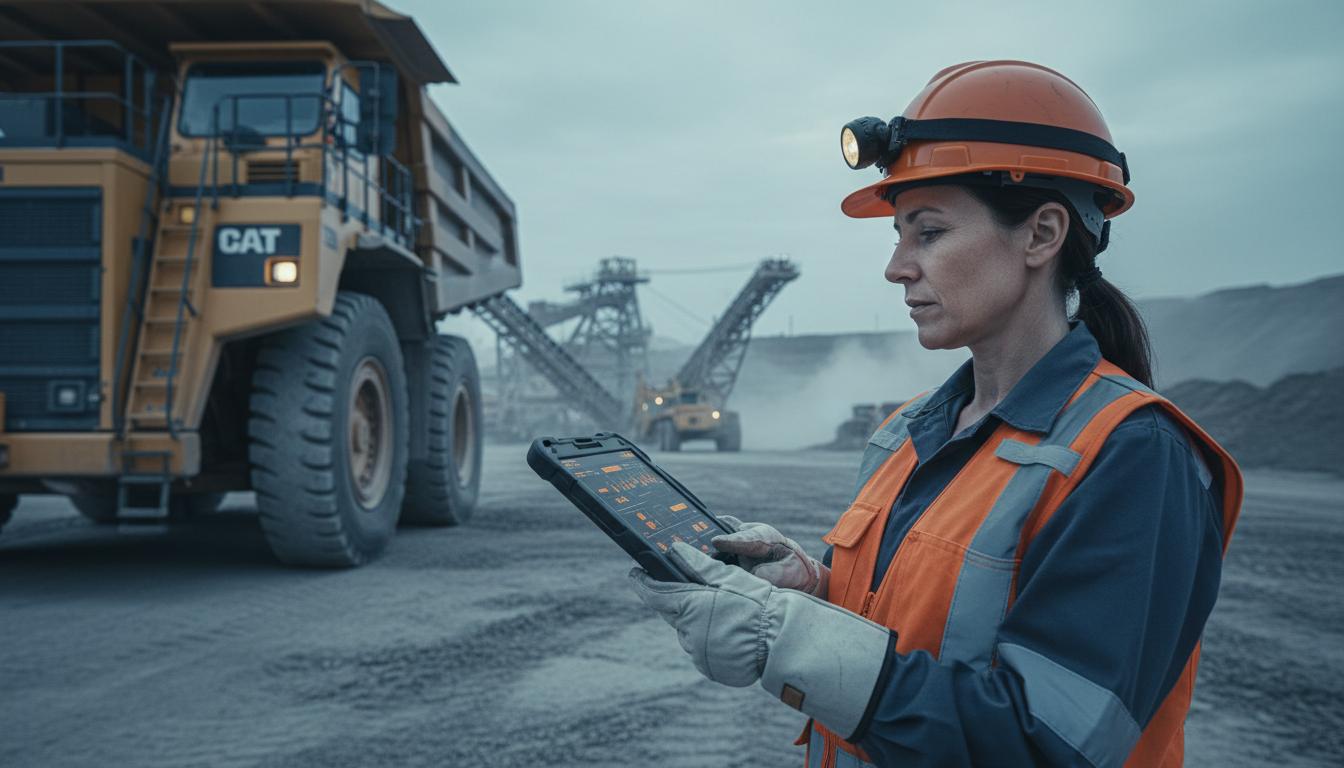
Integrate with existing diverter gates or flag to operators via dashboard. Every consignment leaves the site with a known, time-stamped grade profile — and the data behind it.
Reflectivity response varies meaningfully between ore types and between specific deposits. A classifier trained on one bauxite mine doesn't transfer cleanly to another. That's why every deployment starts with on-site sample capture — we record LiDAR and imaging signatures from your actual crushed output before any classifier is tuned.
The sensor array re-uses the same mechanical LiDAR and stereo imaging stack as the Payload Scanner. Sites already running the scanner at the gate can extend to the conveyor without a second vendor relationship, a second procurement, or a second support contract.
See the platform →Conveyor Intelligence is the newest module in the platform. It's in active field validation across bauxite, coal and iron ore sites we've secured access to in Eastern India. If you're an operator who wants early access and a classifier trained specifically on your material profile, a pilot partnership is the way in.
Sensor rig and classification pipeline installed at your site. A classifier trained on your specific material. Preferential commercial terms when the module moves to general availability. Direct input into how the product is shaped.
Not weeks later in a lab report. Now, on the belt, with a classifier trained on your material.